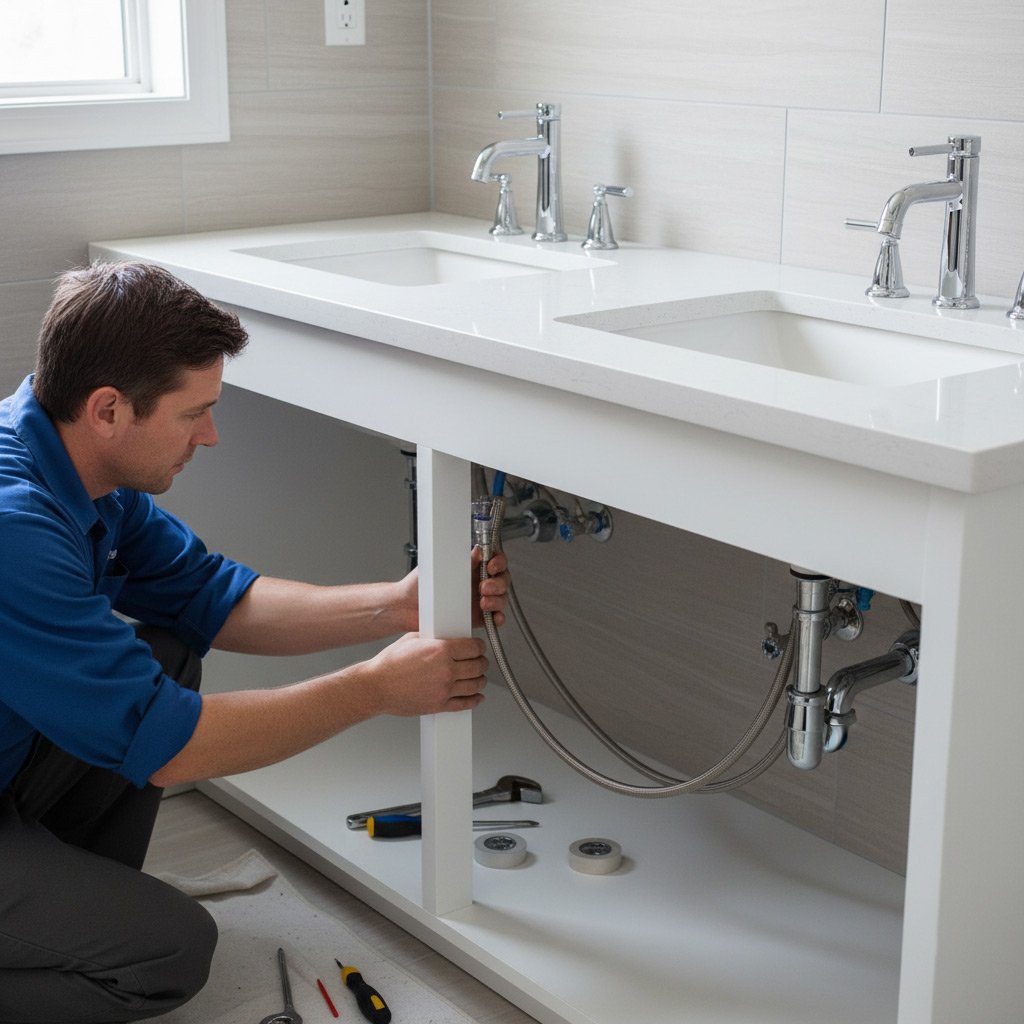
Picture this: you open the bathroom door and the whole room feels like a sleek, spa‑like retreat, with walls that never chip, never stain, and never look tired.
That’s the reality for a growing number of Sacramento homeowners who have swapped out tile for acrylic panels, and they’re not keeping quiet about it. The hot‑sun summers and occasional rainstorms here can be brutal on traditional surfaces, but acrylic laughs at the weather.
Beyond the rugged durability, acrylic walls give you a glossy finish that stays bright for years, and they’re a breeze to clean—no grout lines, no grout‑scrubbing marathons. Plus, the design options run the gamut from classic white to bold, modern hues, so you can match any style without breaking the bank.
Ready to discover why the buzz is more than hype and how you can bring that showroom shine into your own home? Keep scrolling and we’ll break down the exact reasons why acrylic is winning over Sacramento’s bathroom remodel crowd.
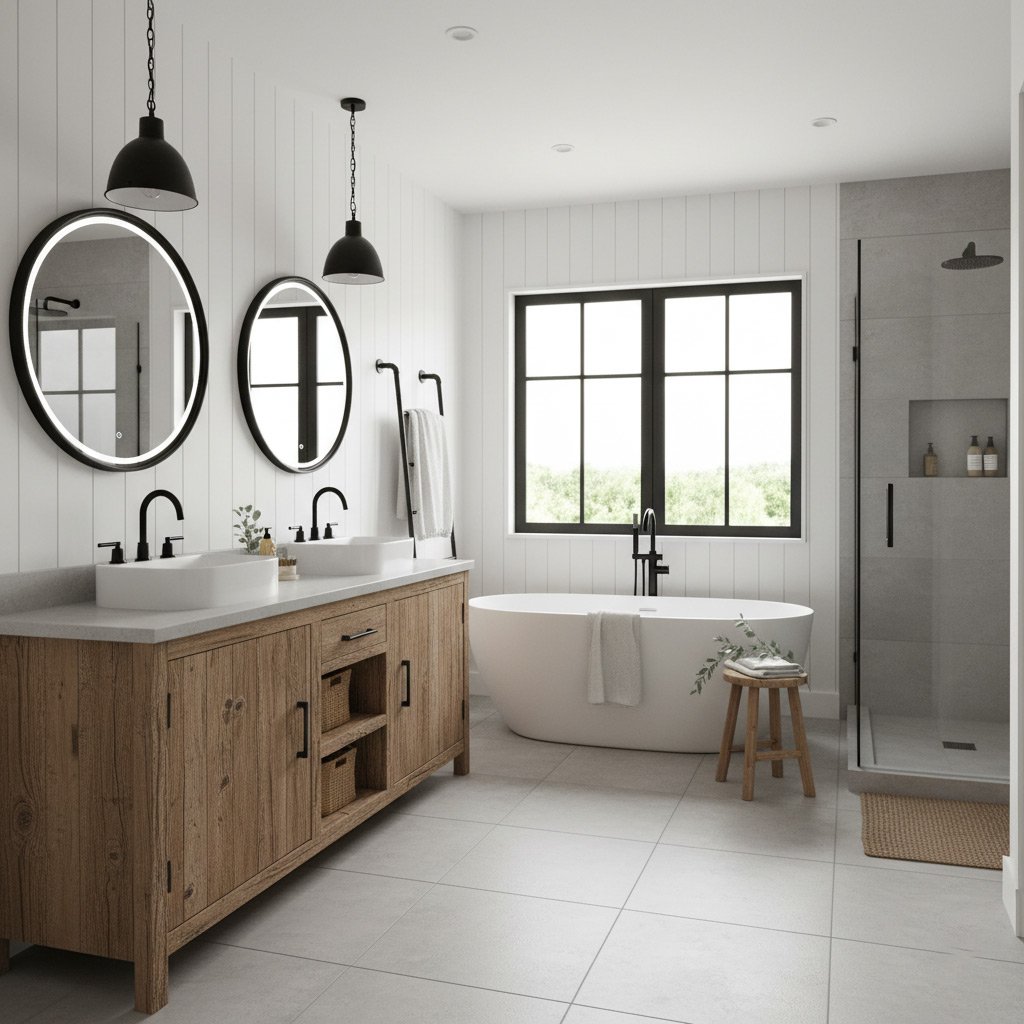
The Science Behind Acrylic: How It Resists Sacramento’s Heat, Humidity, and Rain
Acrylic’s Molecular Armor
At its core, acrylic is a thermoplastic polymer that forms a tight, non‑porous sheet. When temperatures climb above 100°F, the material flexes without cracking, thanks to its high glass‑transition point. In Sacramento’s summer heat, that flexibility means walls stay flat, not bowing like cheap tile.
Built‑In Moisture Shield
Unlike grout‑filled tile, acrylic has zero absorption. Water beads on the surface and slides right off, so mold never gets a foothold. The result is a wall that laughs at humidity spikes and rainy season drizzles.
- Zero porosity – no water seepage
- UV‑stable additives – resist sun‑faded discoloration
- Thermal expansion coefficient matches most framing lumber
Real‑World Performance in Sacramento
Homeowners report that after a full monsoon weekend, their acrylic walls look as fresh as the morning after. Because the surface is seamless, there are no grout lines to trap dirt or mildew. The material’s durability translates to fewer repairs and a bathroom that stays showroom‑ready year after year.
Cost Comparison: Acrylic Panels vs. Tile, Stone, and Other Traditional Materials
When you pull the price tag out of the drawer, acrylic panels usually sit a few hundred dollars per square foot lower than ceramic tile or natural stone. That gap widens once you factor in labor—installing tile means cutting, back‑buttering, and grouting, while acrylic snaps together like a giant puzzle.
What you actually pay for
- Material cost: Acrylic $30‑$45 / sf, porcelain tile $45‑$80 / sf, marble $70‑$150 / sf.
- Installation labor: Acrylic 1‑2 hrs per bathroom, tile 6‑10 hrs, stone 8‑12 hrs.
- Prep work: Tile often needs demolition, waterproofing membrane, and a level substrate. Acrylic panels come with a built‑in moisture barrier.
But the real savings show up years later. Tile grout stains, cracks, and re‑grouting can cost $500‑$1,200 every few years. Acrylic stays glossy, needs only a wipe down, and can last 20+ years without a major overhaul. In the long run, you’re paying for peace of mind, not endless maintenance.
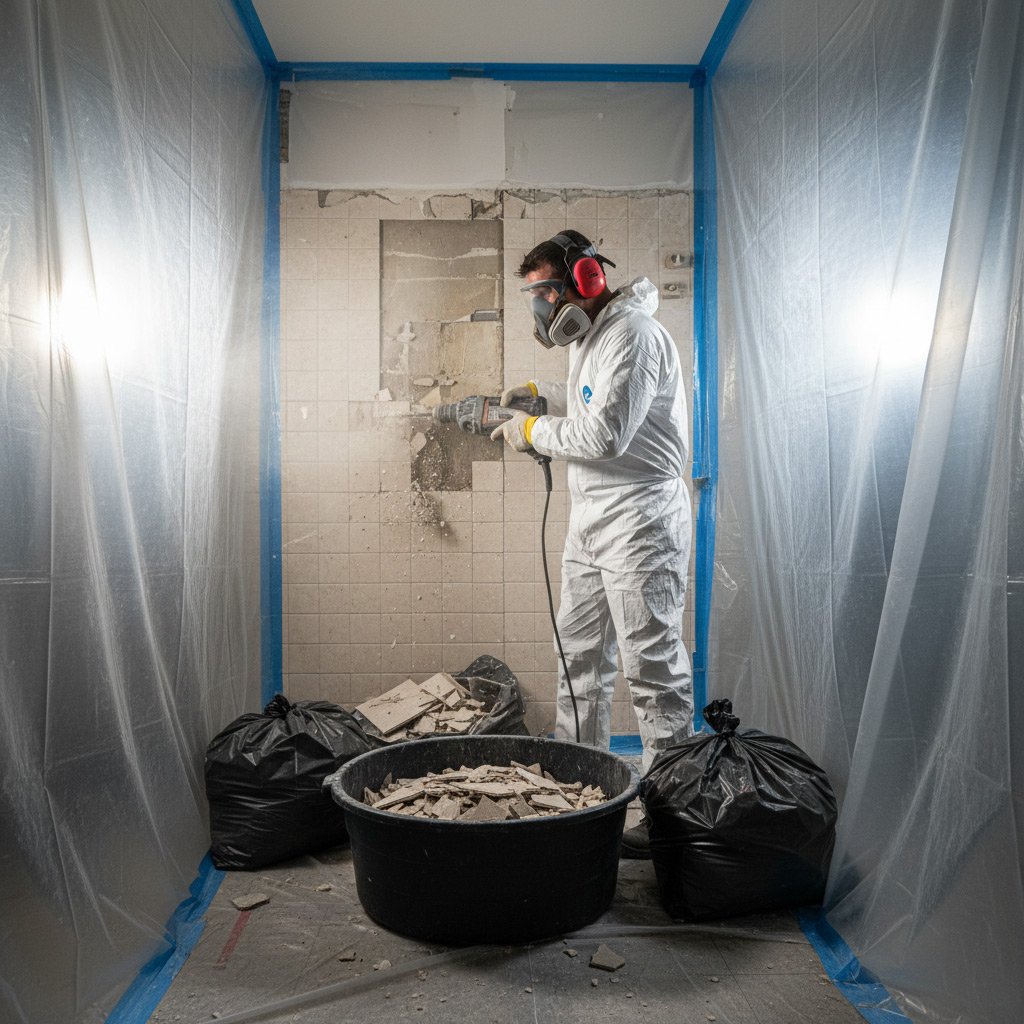
Design Flexibility: Color, Texture, and Finish Options to Match Any Style
Palette that Pops
From crisp snow‑white to deep midnight navy, acrylic panels come in a spectrum that lets you set the mood in seconds. Want a subtle backdrop? Choose a muted taupe or soft sage; feel bold? Go for a saturated teal or sunrise orange.
- Classic whites and creams – timeless, bright, easy to pair.
- Earthy greys and beiges – perfect for modern farmhouse vibes.
- Vibrant hues – reds, blues, greens for a statement wall.
Texture & Finish
Acrylic isn’t just glossy; it can mimic stone, mimic matte plaster, or stay sleek and high‑shine. Matte finishes hide fingerprints, while high‑gloss reflects light like a mirror, making small bathrooms feel larger.
- Glossy – showroom shine, reflects natural light.
- Matte – soft look, low maintenance.
- Textured – subtle grain that imitates marble or concrete.
Style Sync
Mix and match panels to create a custom look that fits any design language. Pair a glossy white strip with a matte accent panel for depth, or line a vintage claw‑foot tub with a stone‑look texture for that historic charm.
- Modern minimalism – clean lines, single‑tone panels.
- Industrial edge – concrete‑style texture, dark tones.
- Traditional elegance – marble‑imitating finishes, soft neutrals.
Installation Process: What Homeowners Can Expect from Start to Finish
First thing’s first: a free in‑home consultation. Our crew walks through your bathroom, takes precise measurements, and helps you pick the perfect acrylic finish. Within 48 hours you’ll have a detailed quote and a visual mock‑up that shows exactly how the walls will look.
Prep and Demolition
When the day arrives, we protect your floors, seal off vents, and remove the old tile or wallboard. The space is left clean, dry, and ready for the new panels.
- Demo – careful tile removal to avoid damage to plumbing.
- Surface inspection – we check for moisture or cracks that need fixing.
- Backer preparation – a moisture‑resistant membrane is installed for extra peace of mind.
Panel Installation & Finishing Touches
Our installers fit the acrylic sheets like a puzzle, using a high‑strength adhesive that bonds in minutes. Joints are sealed with a clear, waterproof caulk that stays flexible for years.
- Trim work – custom edge profiles around tubs, showers, and fixtures.
- Hardware integration – towel bars, grab rails, and lighting are mounted before the final seal.
- Final inspection – we walk you through the completed room, showing you how to care for the surface.
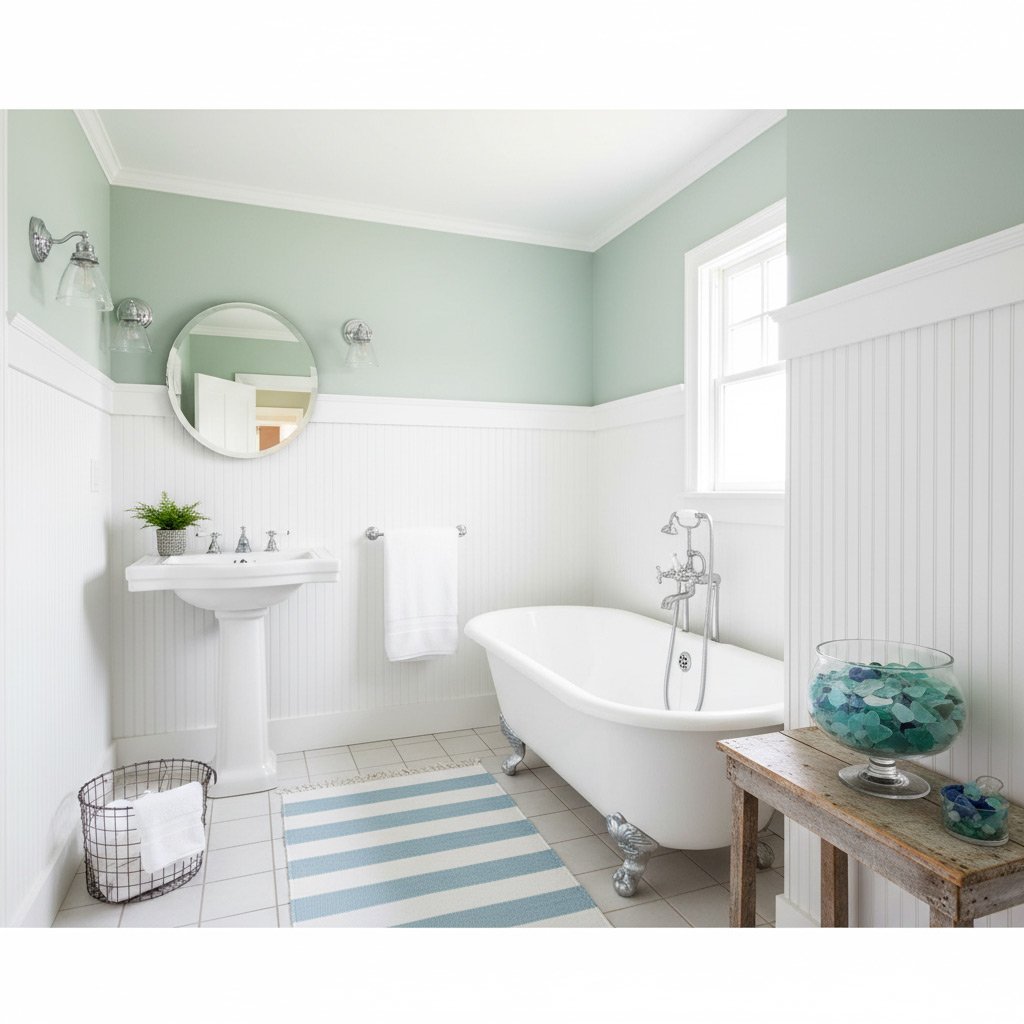
Maintenance Made Simple: Cleaning Tips, Longevity, and Repair Considerations
Quick Clean Routine
Grab a soft microfiber cloth, a splash of mild dish soap, and warm water. Wipe in one direction to avoid streaks, then rinse with a clean damp cloth. Skip the abrasive pads—they’ll scratch the surface.
- For soap scum, let a vinegar‑water mix sit 5 minutes, then wipe away.
- Stubborn stains? A non‑abrasive kitchen cleaner works fine.
- Dry the wall with a lint‑free towel to keep the shine.
Longevity That Pays Off
Acrylic panels resist cracking, fading, and water damage for 15‑20 years or more. Heat‑resistant and UV‑stable, they don’t warp under Sacramento’s summer sun. Regular cleaning keeps the surface sealed, so you won’t see the wear that tile grout shows.
Repair Considerations
Minor scratches? A clear acrylic polish restores the gloss in minutes. For deeper gouges, a professional can blend a matching repair kit—no need to rip out the whole wall. Act fast before moisture seeps in; the longer you wait, the harder it gets to fix.
Case Study: Revamping a Historic Sacramento Home with Acrylic Bath Walls
The Challenge
When the Miller family bought a 1905 Craftsman bungalow in Midtown, the bathroom was a relic—cracked tile, warped plaster, and a leaky tub that leaked more than it held water.
They wanted to keep the home’s vintage charm but needed a surface that could survive Sacramento’s scorching summers and occasional rain‑soaked winters.
The Solution
We installed full‑height acrylic panels that mimic the look of classic subway tile while delivering modern performance.
Key steps included:
- Prep work: Remove all existing tile, repair the underlying studs, and apply a moisture‑blocking membrane.
- Custom fit: Panels were cut on‑site to match the historic archways and crown molding.
- Seamless finish: A high‑gloss acrylic coat was applied, then sanded to a mirror‑like sheen.
The result? A bathroom that feels brand new, yet respects the home’s period details.
The Payoff
The Millers reported a 30% drop in cleaning time—no grout to scrub, no water spots to fight.
Because acrylic resists heat and humidity, the walls stayed bright after a week‑long heatwave, and the waterproof seams survived a sudden summer downpour without a single leak.
Best of all, the homeowner could pick a bold teal accent that pops against the original wood trim—something tile would have made costly and cumbersome.
Final Words
When you’re ready to swap cracked tile for a surface that *actually* holds up to Sacramento’s sun‑soaked days and rainy evenings, the decision is simple: go acrylic. It’s not a gimmick; it’s a proven, low‑maintenance upgrade that pays for itself in time saved and resale value.
Take the Next Step
Here’s what you do next, no fluff:
- Schedule a free, on‑site estimate with a local remodel specialist.
- Choose a finish that matches your vision—whether that’s a crisp white, a deep charcoal, or a subtle marble‑look.
- Ask about financing options; many contractors offer zero‑interest plans for qualified buyers.
Don’t let indecision stall your bathroom’s transformation. A quick call can lock in a slot before the summer rush hits. For more inspiration, explore our Acrylic Bath Walls gallery and see how other Sacramento homes have leveled up.
People Also Ask
How does acrylic resist Sacramento’s heat, humidity, and rain?
Acrylic’s non‑porous surface repels moisture, preventing water absorption that can cause warping or mold. Its thermal stability means it expands and contracts minimally, so it stays flat even during hot summer days and cooler evenings.Is acrylic more cost‑effective than tile, stone, or other traditional bath wall materials?
Yes. Acrylic panels typically cost 30‑40% less than high‑end tile or natural stone, and you also save on labor because installation is faster. The lower upfront price plus reduced maintenance makes acrylic a budget‑friendly choice.Can acrylic bath walls be customized to match any bathroom style?
Absolutely. Acrylic comes in a wide range of colors, textures, and finishes—from sleek high‑gloss to matte stone‑look patterns—allowing homeowners to achieve modern, classic, or even rustic aesthetics. Custom edge profiles and seamless designs further enhance design flexibility.What does the installation process for acrylic bath walls involve?
A professional crew measures the space, cuts the panels to fit, and adheres them with a waterproof bonding system, usually completing the job in 1‑2 days. The process includes sealing seams, installing fixtures, and a final quality check before cleanup.How easy is it to maintain acrylic bath walls over time?
Maintenance is simple: regular cleaning with a mild soap or non‑abrasive cleaner keeps the surface shining, and the material resists stains and mildew. If scratches occur, they can often be buffed out or repaired without replacing the entire panel.
Sacramento Bathroom Remodel specializes in comprehensive bathroom renovations, bringing over a decade of craftsmanship to homes across the Sacramento area. Their team combines local knowledge with a commitment to quality workmanship, ensuring each project reflects the unique style and functional needs of the homeowner.
Need Bathroom Remodel?
We transform Sacramento bathrooms into functional, modern spaces in days, not weeks, serving ZIPs 95814, 95815, 95661, 95765, 95630. Our streamlined process minimizes disruption while delivering lasting quality.
Get Remodel Estimate